Mapúa University · First year · 1Q2627

Learning what runs
underneath.

I'm @ScreenNotFound, a Computer Engineering student with an interest in Android, Linux, and the way hardware and software work together.

My goal is to understand the systems I use and build tools I can explain.

View my projects
ScreenNotFound's chosen illustrated avatar, a white-haired character with pink flowers and glasses
Computer Engineering
First quarter, A.Y. 2026/2027

01 / About me

A student who likes
to investigate.

I like dissecting things and seeing what I can do with them. That curiosity has led me to work with my own Samsung Galaxy A35, inspect Android behavior, and experiment with native interfaces.

During my first year at Mapúa, I'm developing the mathematical and scientific foundation behind those interests. My personal projects give me practical questions to connect to what I'm studying.

Some of my independent projects involve game modification and cheat overlays. I use those experiments to investigate native graphics, game-state handling, and Android behavior.

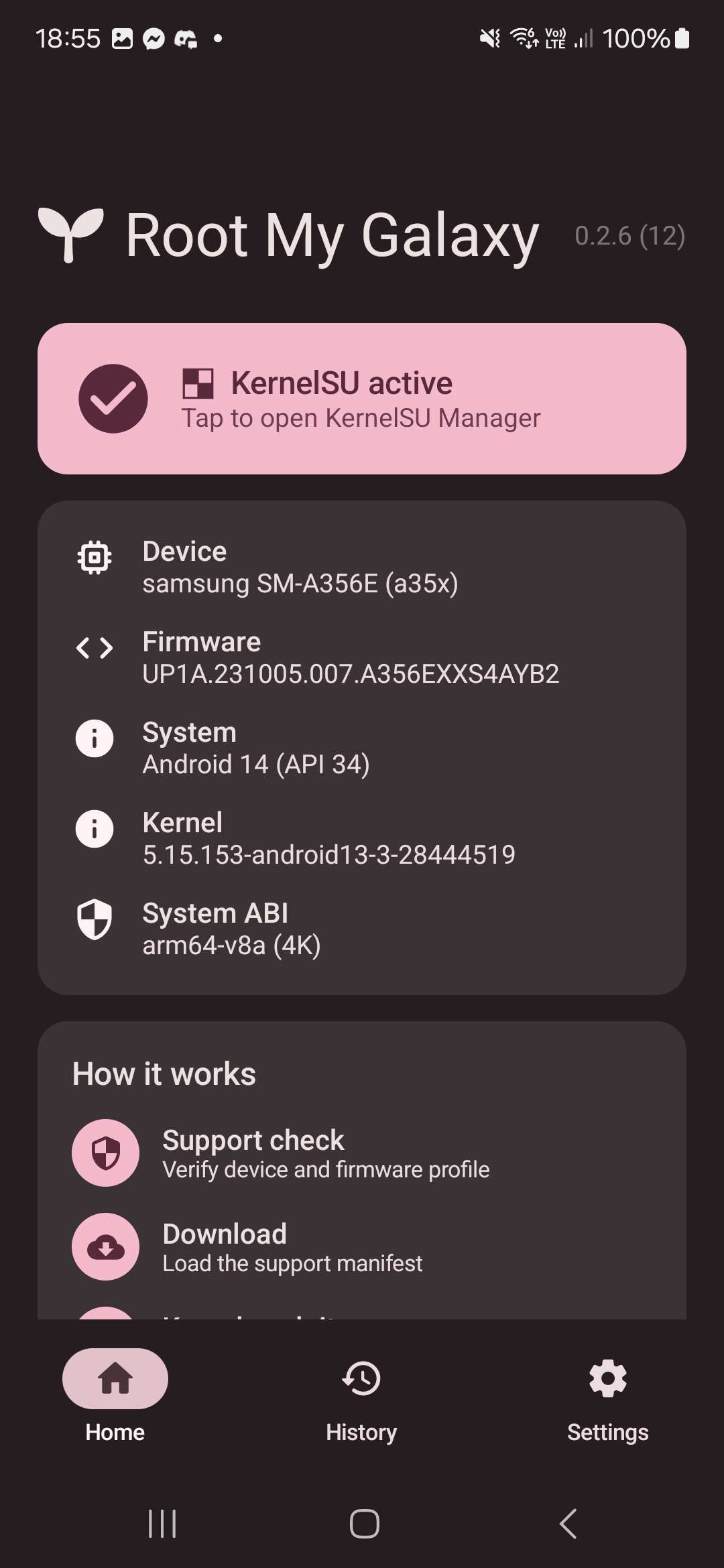
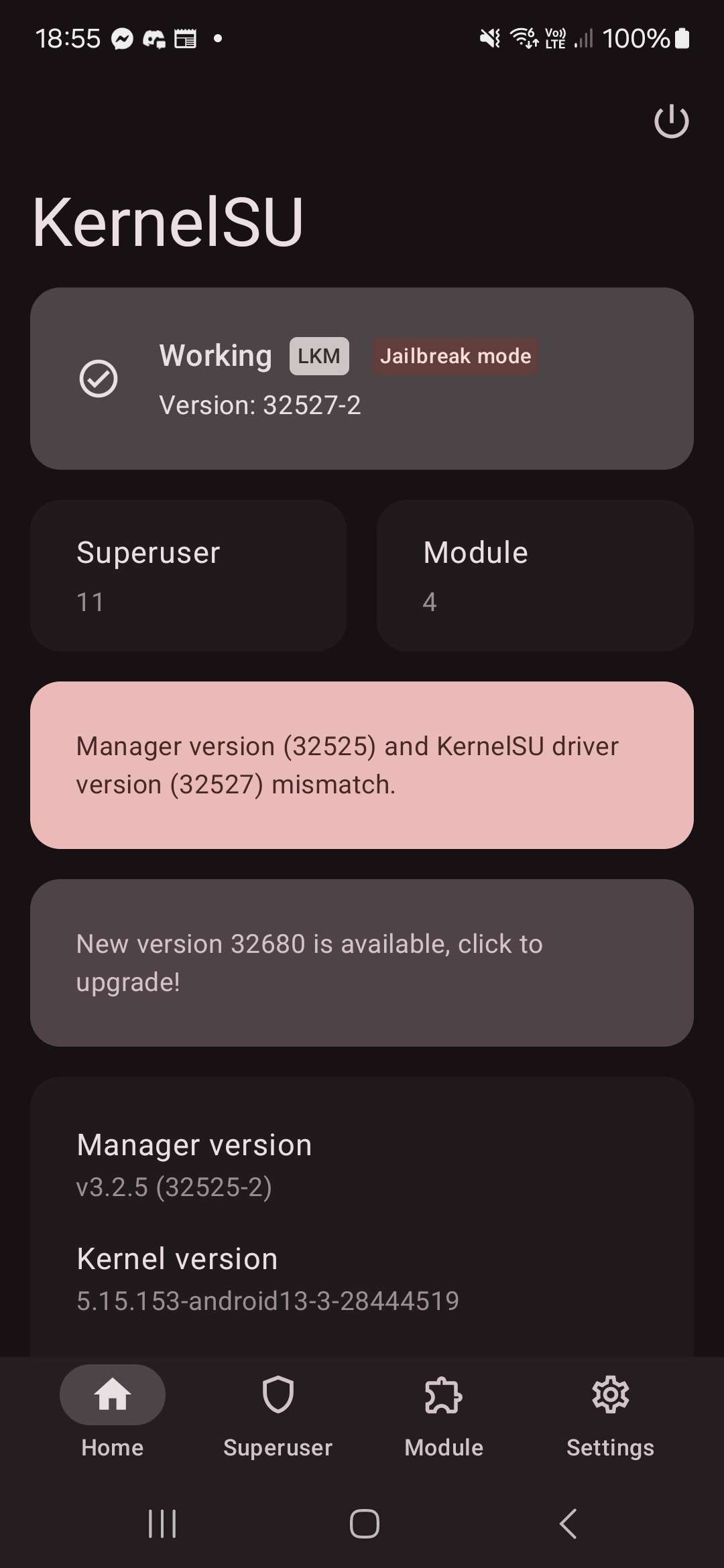
A result I'm proud of is rooting my own Galaxy A35 and compiling KernelSU with SELinux hide modifications. I also spend time writing technical notes, tracing failures, and checking changes on the device.

Interests
Android systems, Linux, native UI, and debugging
Current focus
Building my engineering foundation and making room for coursework alongside my projects

02 / Coursework

My first-quarter foundation.

Eight subjects in 1Q2627.
Select a course to read its focus and my learning connection.

CPE101-4Computer Engineering as a Discipline

An introduction to Computer Engineering and the relationship between computing systems and engineering practice.

What I took from it: This course helped me think about how to build my foundation as an engineer in the real world.

MATH165College Algebra with Analytic Geometry

Algebraic relationships and analytic geometry provide a foundation for representing problems with equations and coordinates.

What I took from it: I relearned algebra and started rebuilding a foundation I need for engineering.

MATH166College Trigonometry with Solid Mensuration

Angles, trigonometric functions and identities, graphs, solutions of triangles, and the surface areas and volumes of solids.

What I took from it: I started to fall in love with trigonometry. It became a subject I actually wanted to understand more deeply.

CM011General Chemistry for Engineers (Lecture)

Stoichiometry, thermodynamics, chemical kinetics and equilibrium, nuclear chemistry, electrochemistry, and polymers.

What I took from it: Chemistry made me curious about chemicals and how their reactions help explain the physical world.

CM011LGeneral Chemistry for Engineers (Laboratory)

The laboratory counterpart to chemistry lecture, where observation and experimental work support the concepts studied in class.

What I took from it: Alongside lecture, the laboratory subject helped grow my interest in how substances react and my appreciation for the physical side of engineering.

NSTP100National Service Training Program 1

National service training adds a community perspective to my first-year education.

What I took from it: I enjoyed getting outside and touching grass. It gave me something different from the time I spend on technical projects.

FW01-2PATHFIT 1: Movement Competency Training

Physical Activities Toward Health and Fitness 1 focuses on movement competency.

What I took from it: This course got me to exercise a bit and make room for physical activity alongside my studies.

GED105The Contemporary World

This general education subject brings a wider view of the contemporary world into my engineering studies.

What I took from it: I learned to write better and explain my ideas more clearly.

03 / Selected projects

What I've been working on.

Personal projects alongside my studies.
Each one taught me something different.

02

Graphics / Android

NightShift: a native MLBB overlay

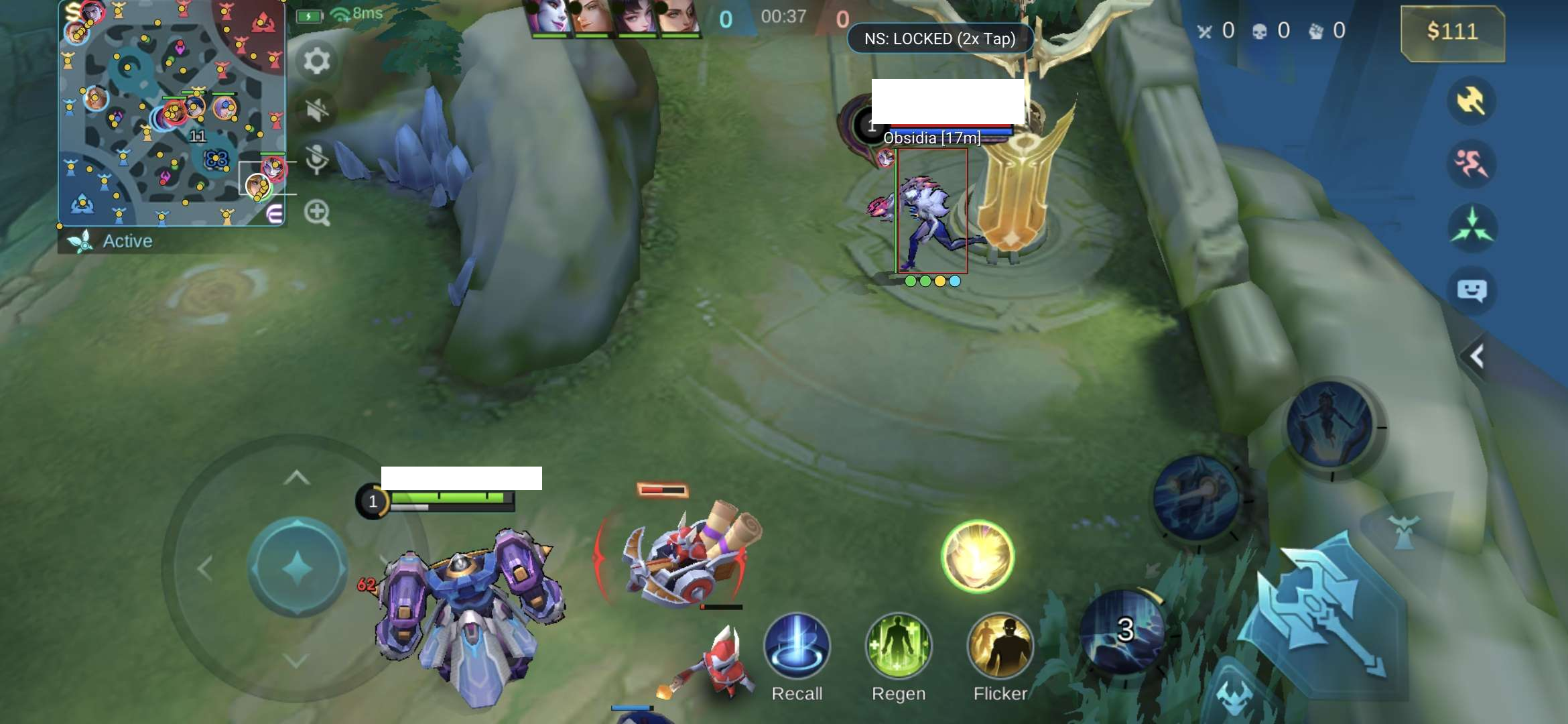
I worked on a native overlay for Mobile Legends: Bang Bang using Dear ImGui and OpenGL ES. Alongside game-state visualization, the UI work included draggable controls, saved calibration settings, and image decoding for graphical elements.

Tools: C++, Java/JNI, Dear ImGui, OpenGL ES, Android NDK

NightShift during a real MLBB match, showing extra minimap markers, a hero box with distance, and the locked overlay badge; player names are redacted
NightShift during a real MLBB match. Select the image for full size.
Features and learning
  • Hero position visualization on the minimap and in world view
  • Draggable controls constrained to the display
  • Persistent settings and calibration across restarts
  • Android image decoding connected to native rendering

MLBB taught me to keep a triangle in mind: implementation difficulty, optimization, and simplicity. I had to think about how hard a feature was to build, its cost to run, and how simple the final result remained.

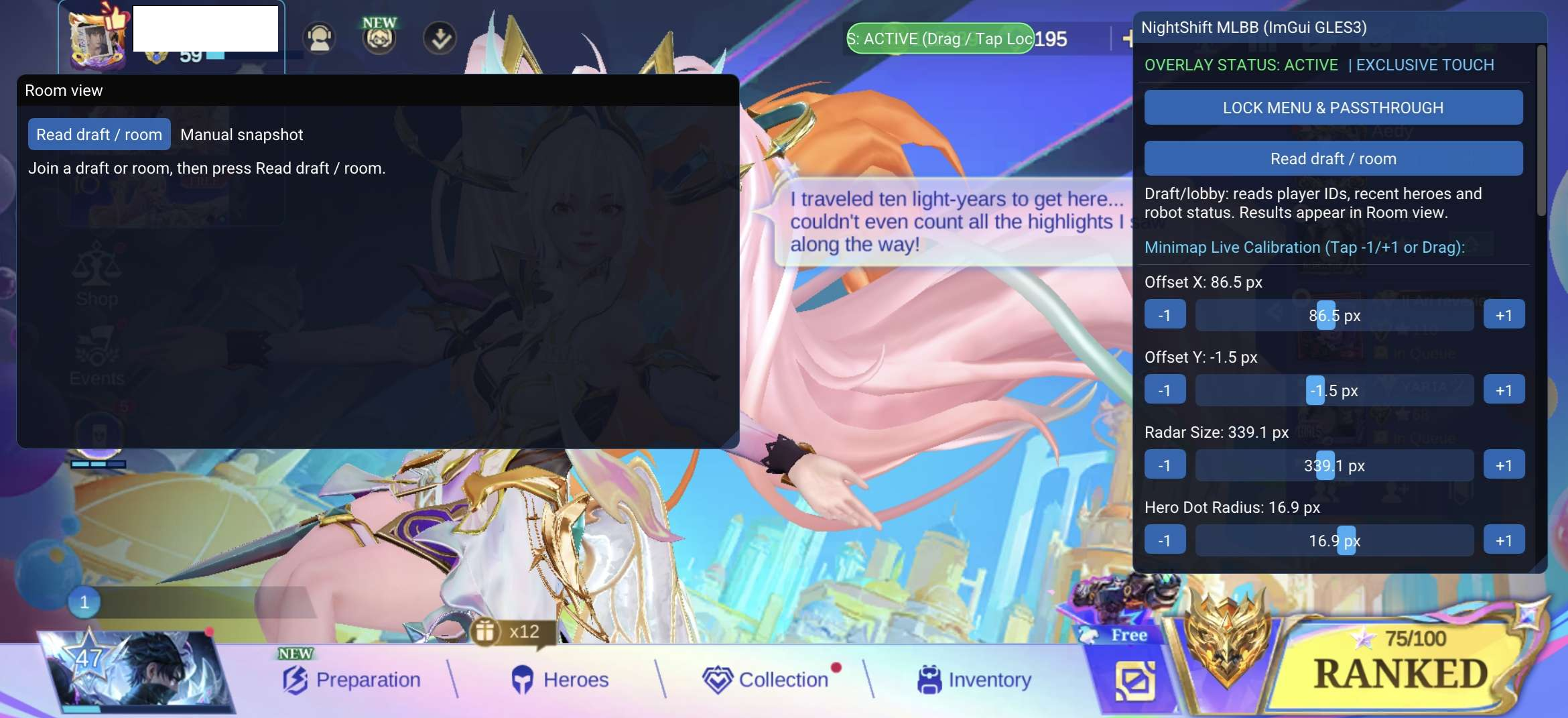
View the calibration interface
NightShift MLBB ImGui GLES3 overlay in the game lobby, showing Room view, active status, touch passthrough, and minimap calibration controls
NightShift's ImGui interface in the MLBB lobby. Select the image for full size.
03

Web development / Recorded telemetry

MLBB Replay Studio

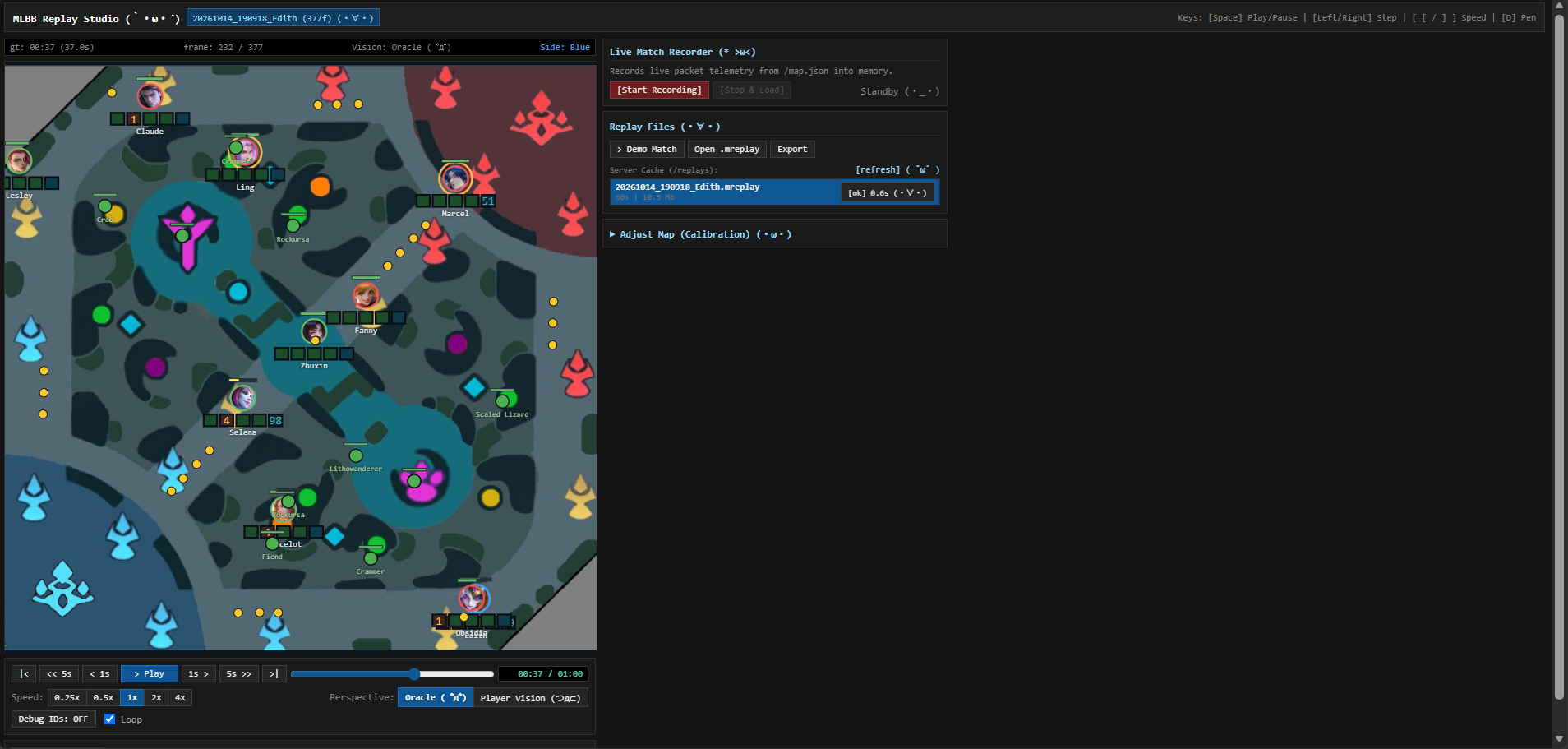
I built a browser-based replay viewer as part of MLBB-RADAR. It renders recorded match telemetry on a map so I can revisit hero positions and inspect a match at a chosen point in time.

Tools: HTML, CSS, JavaScript, Canvas, Python HTTP server

MLBB Replay Studio with a recorded match loaded, hero and jungle markers on a map, the timeline at 00:37, and playback, speed, perspective, and replay-file controls
A recorded match in MLBB Replay Studio at 00:37. Select the image for full size.
Replay controls and learning
  • Play, pause, timeline scrubbing, and step controls
  • Playback speed and Oracle or Player Vision perspectives
  • Opening and exporting .mreplay files
  • Canvas rendering of hero positions and jungle entities

This project connects browser interaction to recorded data, including the mapping between stored positions and the on-screen map. It also gives me a repeatable way to inspect a recorded state while working on the radar.

The screenshot is from my locally run prototype.

04

Tooling / Reliability

An Android profile utility that recovers

I worked on an Android profile management utility with save, restore, and re-sync operations. One repair addressed operations that stayed blocked after a helper was interrupted.

Tools: Java, Android shell, Bash, ADB, Python test fixtures

Features and learning
  • Staged file operations with verification and rollback
  • Versioned snapshots and clear error reporting
  • Interruption and concurrency tests using synthetic fixtures

The interrupted-operation problem showed why failure paths need deliberate testing. A lock backed by the operating system could be released when its process ended, avoiding the stale directory lock used before the repair.

05

Ongoing research / Diagnostics

Honor of Kings tracking research

In an ongoing native position-visualization prototype for Honor of Kings, I investigated disappearing hero markers by comparing reader state, coordinate updates, and rendering behavior.

Tools: C++, Python, ADB, native debugging, technical Markdown notes

Scope and current progress
  • Separate diagnostic views for raw positions and matched markers
  • Logged state transitions to help locate the failure
  • Build and deployment records with artifact verification

HoK taught me to be creative when dealing with problems. When one approach left questions unanswered, I had to consider other ways to investigate.

The prototype remains an investigation. Observed improvements in individual trials do not establish reliable tracking in every condition.

04 / Personal journey

A difficult
first term.

A first-year reflection

I like dissecting things and seeing what I can do with them. That curiosity drives my projects, and during my first term at Mapúa, it also took up more of my attention than I could afford.

When projects took over

This term made me feel cornered. I was on the verge of failing several subjects and submitted a number of requirements late because I was too focused on my projects. Being interested in the work didn't make those deadlines disappear.

Persevering through a root port

Rooting my A35 could be emotionally exhausting. I spent long stretches doomscrolling through IDA and searching for answers after kernel panics. I had to keep persevering just to get the root port working.

What the projects taught me

MLBB made me think about implementation difficulty, optimization, and simplicity together. HoK pushed me to be creative about how I approached a problem. These projects gave me different ways to investigate systems, along with reasons to question my first approach.

What I want to carry forward

My subjects gave that curiosity a wider foundation. I relearned algebra, started to fall in love with trigonometry, and became more interested in chemistry and the physical world. I want to keep dissecting things and seeing what I can do, while making enough room for the coursework that supports that work.

05 / Contact

Let's talk about a project.

For questions about my work or Computer Engineering interests:

@ScreenNotFound
Computer Engineering
Mapúa University